
Bird Net Installation Singapore: Cost, Process & NEA-Compliance Guide (2026)
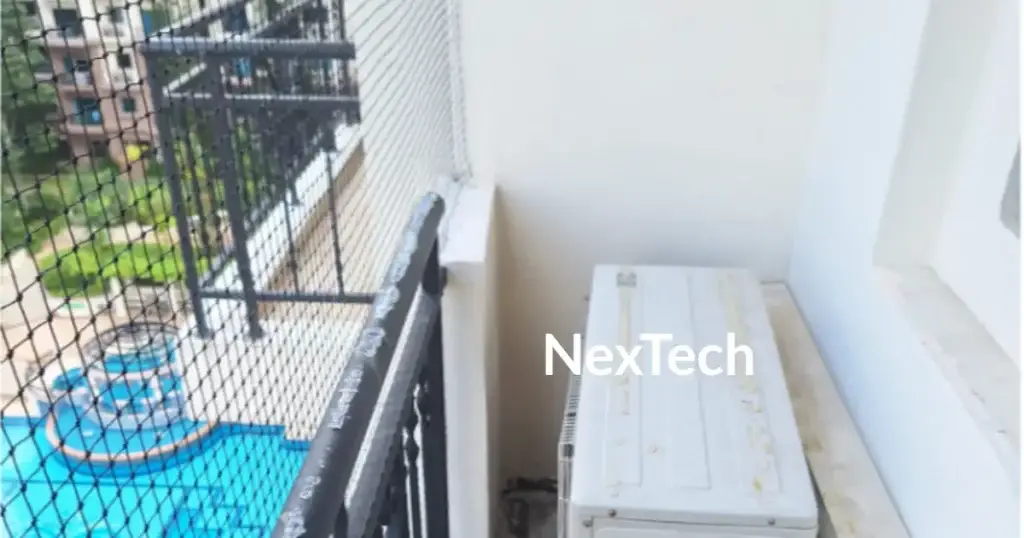
Quick answer: Professional bird net installation in Singapore is a mesh barrier fitted across balconies, aircon ledges, service yards, and rooftops to keep pigeons, mynas, and house crows out for good, without trapping or harming them. Depending on area size, height, and access, a single aircon ledge typically costs SGD 150 to 300, a full balcony enclosure SGD 400 to 900, and a landed-house roof or courtyard net SGD 800 to 2,500 and above. This guide covers bird net installation Singapore pricing, materials, and compliance in full. Why Professional Bird Netting Beats Every Other Option in Singapore Singapore’s warm, food-rich urban environment is ideal for feral pigeons, Javan mynas, and house crows, and once a ledge, balcony, or roof void becomes a roosting spot, the birds rarely leave on their own. Bird net installation Singapore services solve this with a physical exclusion barrier rather than poison, glue, or scare devices, so the birds are simply denied access and relocate elsewhere unharmed. For homeowners, MCST-managed condos, and facility managers alike, netting remains the only long-term fix that also survives our monsoon storms and constant UV exposure. The Real Cost of Ignoring a Bird Problem Bird droppings are mildly acidic and, left to dry on a ledge or roof tile, slowly corrode paintwork, aircon fins, and metal railings while blocking drainage outlets. Dried droppings and feather dust can also carry organisms linked to respiratory illness, which is why NEA treats bird fouling as a genuine public health issue rather than just an eyesore. A single unmanaged roosting site can, within a year, mean a repainting job, an aircon service call, and a drainage unclog, costs that a one-time netting installation avoids entirely. A one-time bird net installation Singapore project is one of the best-value repairs any homeowner can make. Bird Netting Solutions by Property Type HDB Flats Service yards, aircon ledges, and laundry racks are the most common trouble spots in HDB blocks. Town Councils generally permit netting once it avoids structural drilling and stays neutral in colour. For the full breakdown of rules, materials, and pricing, see our dedicated guide to bird net install HDB flats. Condominiums High-rise balconies and roof crowns need MCST sign-off before any facade addition, and management committees typically want low-visibility netting plus proof of a workmanship warranty. We handle the technical drawings and photos most MCSTs ask for as part of the approval process. Landed Houses Pitched tile roofs, courtyards, and skylight wells on landed homes need larger, wind-rated netting runs anchored into the roof structure itself. As a waterproofing specialist first, we make sure every anchor point is properly flashed and sealed so the netting installation never becomes a new source of roof leaks. Commercial & Industrial Warehouses, factory roofs, open courtyards, and solar panel arrays need large-format, fire-rated netting installed by rope-access or scaffold teams. Contact us for a site survey and a commercial quote tailored to your facility. Choosing the Right Mesh for Bird Net Installation Singapore Not every net is built the same, and the material your installer quotes has a direct effect on how many years it lasts under Singapore sun and rain. Mesh size is chosen by target species, not one-size-fits-all: 12 to 19mm mesh stops sparrows and small mynas, while 25 to 50mm mesh is sufficient for feral pigeons and house crows. Our technicians confirm the dominant species on site before quoting, since undersized mesh wastes material and oversized mesh lets small birds through. Fire Safety and Regulatory Compliance: What Most Installers Won’t Tell You Bird netting is a physical barrier, but the raw synthetic material it’s made from can also burn. On external facades and common-property areas, netting installation can fall under fire code scrutiny from the Singapore Civil Defence Force, particularly for larger commercial or common-area runs, because ordinary untreated netting can help a fire spread quickly across a building exterior. This is exactly why flame-retardant, UV-stabilised polymer nets exist, and why we specify them as standard rather than as a paid upgrade. It is worth asking about before you sign with any contractor: request the material’s fire rating and NEA–compliant humane-control credentials up front, not after installation. A few dollars saved on cheap nylon netting is not worth a fire safety liability on your own home or your neighbours’ block. Our 5-Step Bird Net Installation Singapore Process Why Choose Professional Installation Over DIY? Peel-and-stick bird spikes from a hardware store can handle a single narrow sill, but full netting jobs raise safety and durability issues that DIY kits don’t solve. This is where professional bird net installation Singapore teams earn their fee. Bird Net Installation Singapore: 2026 Cost Guide Property / Area Typical Coverage Estimated Cost (SGD) HDB aircon ledge 1 to 3 sqm 150 to 300 HDB service yard 3 to 6 sqm 250 to 500 Condo balcony / roof crown 5 to 10 sqm 400 to 900 Landed house roof / courtyard 15 to 40 sqm 800 to 2,500+ Commercial / industrial roof 50 sqm+ Custom quote on site survey Prices shift with ledge height, access difficulty, existing dropping clean-up, and whether HDPE, stainless steel, or a mixed material is specified. A same-floor unit next door can cost more or less than yours depending on how deep the ledge is and how much prior bird activity needs to be cleared first, so treat the table above as a planning guide and get an exact figure from a site photo or visit. Bird Netting vs. Bird Spikes: Which Should You Choose? Spikes stop birds from perching on a narrow ledge, rail, or pipe, but they only protect the exact strip they cover. Netting seals off an entire opening, such as a balcony, service yard, or roof void, so birds cannot get in at all. Most landed homes and larger properties end up using both, spikes on exposed rails and ledges, netting across the sheltered recesses where birds actually try to nest. If you are only dealing with one small sill, spikes may be enough.